Our Animals
We have a range of animals on our homestead. Here we’ll explain why we chose particular breeds and also detail any animals that we have for sale.
Guernsey cross Cattle
We love our Dexters and wouldn’t change them, the meat and the milk is great and they are lovely animals. We do use a lot of cream though (as we like to make our own butter and our own ice cream) so decided to cross our Dexters with Guernseys to see what a Dexter Guernsey Cross would be like in terms of cream production.
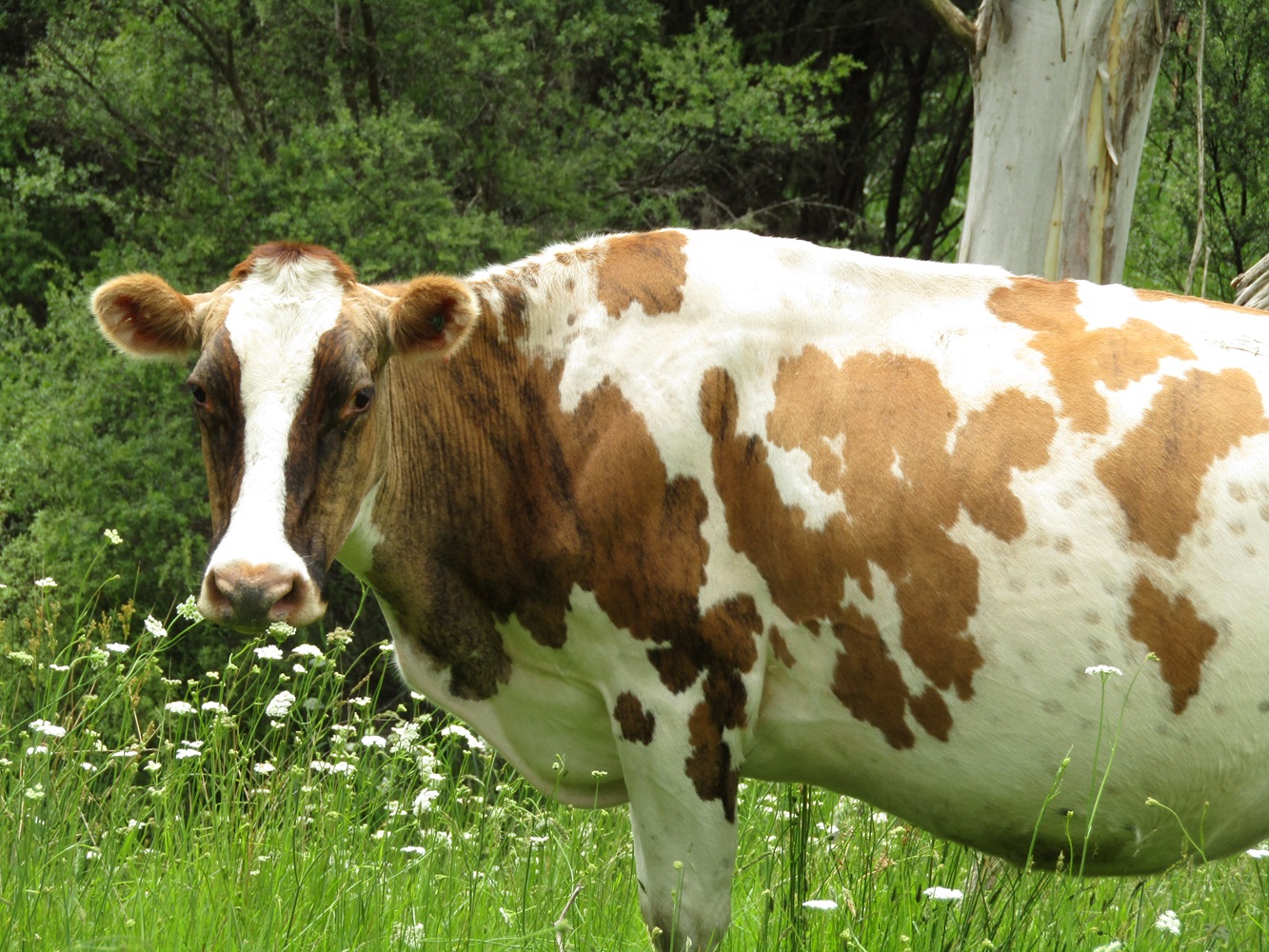
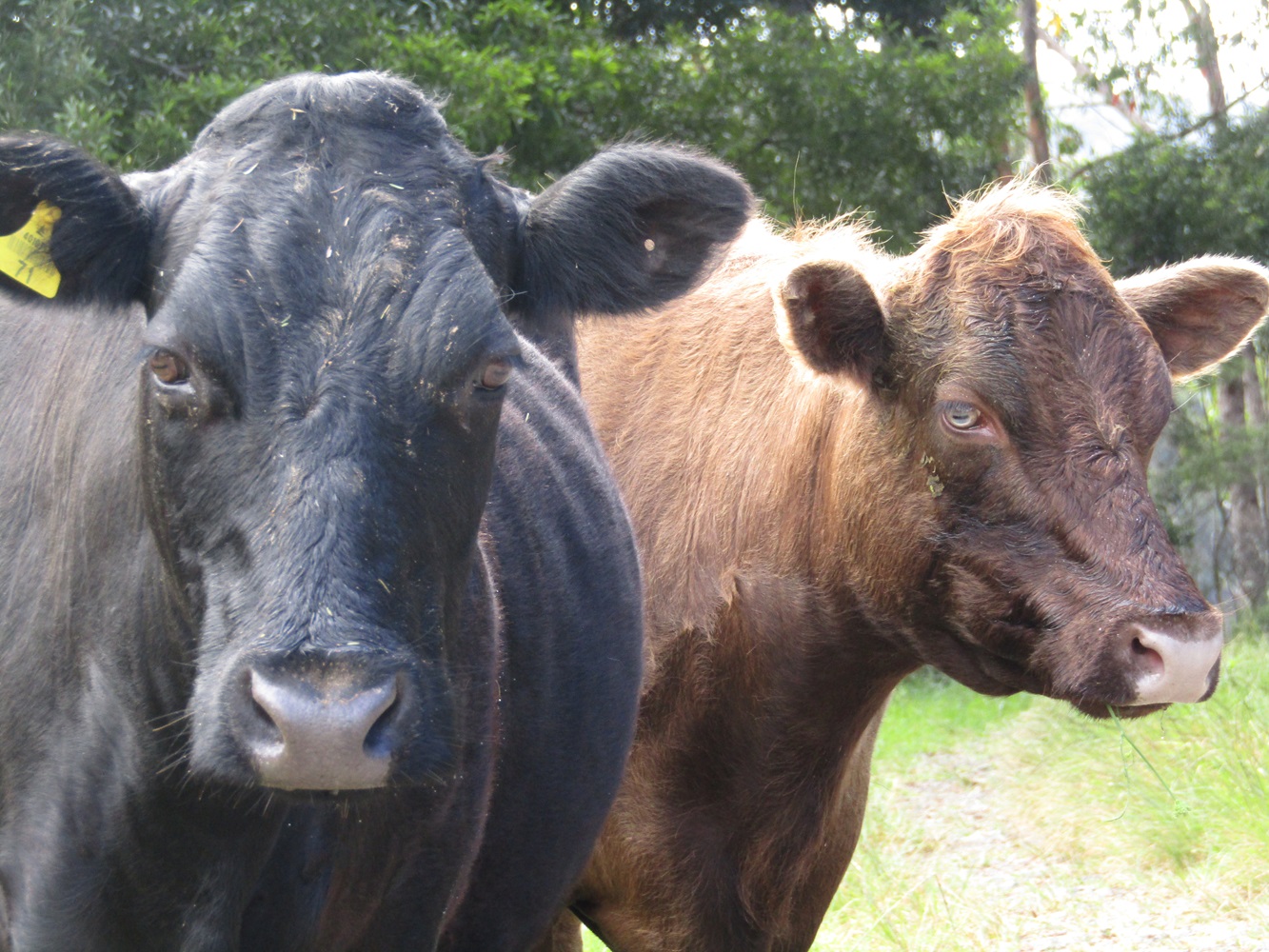
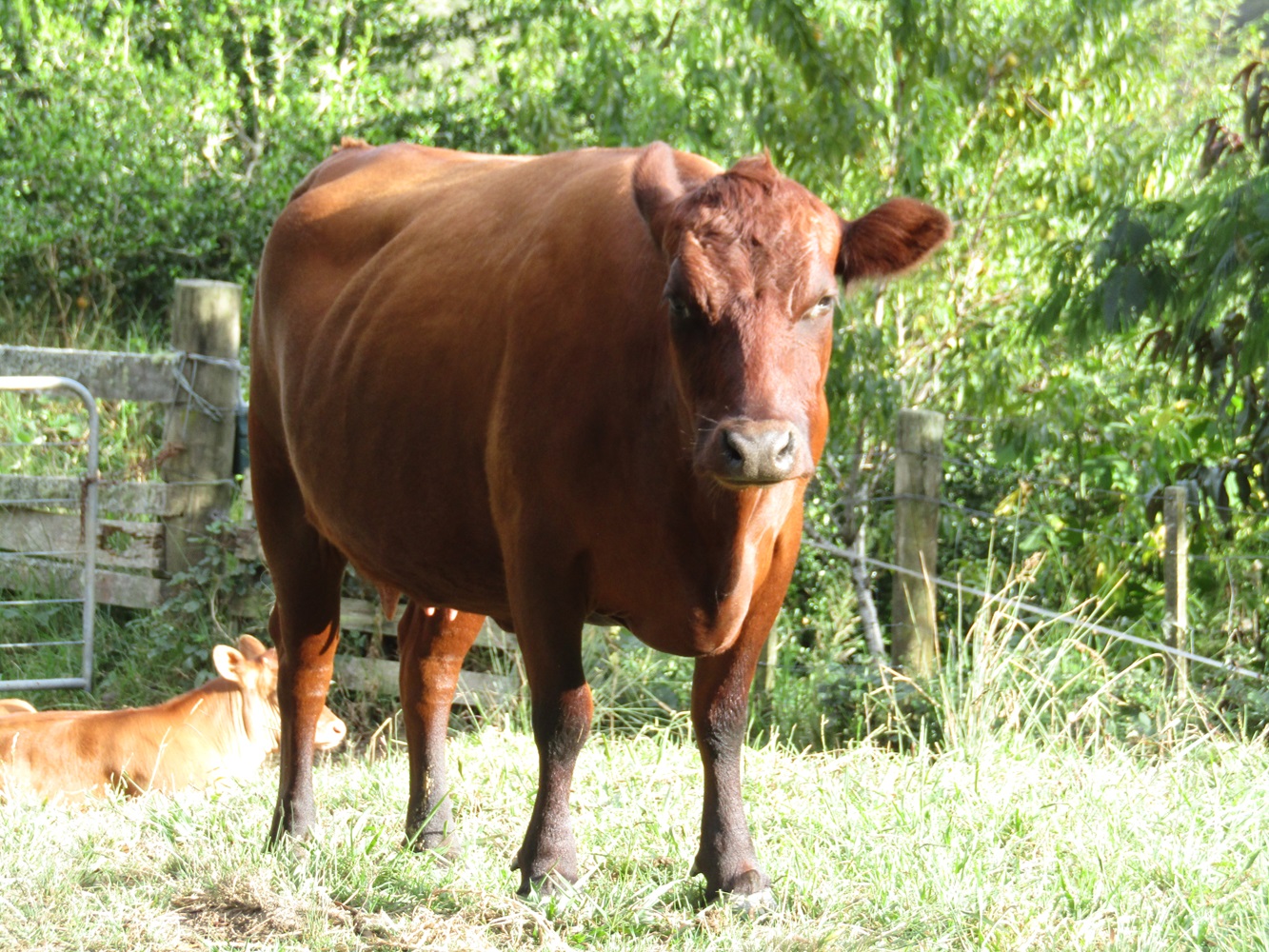
To start this process we bought May (top photo), a Guernsey / Kiwi Cross House cow, and her daughter and put these to our Dexter Bull. Unfortunately we got boys from these matings. May is lovely and smaller than pure Guernseys but bigger than our Dexters and she is now one of our regular house cows producing lovely milk with a bit more cream than the Dexters. She is bigger than the Dexters though and we still want to try the Dexter / Guernsey cross so decided to breed our own Guernsey bull by putting May to a pure Guernsey bull. This produced our current bull, Splash (so named because May calved near one of our ponds and, of course, Splash fell in). John rescued him with no ill effects but the name stuck! We’ve mated Splash with our Dexters and are looking forward to some heifer calves to try as new milking cows.
For sale
Nothing available at present.

Arapawa Sheep
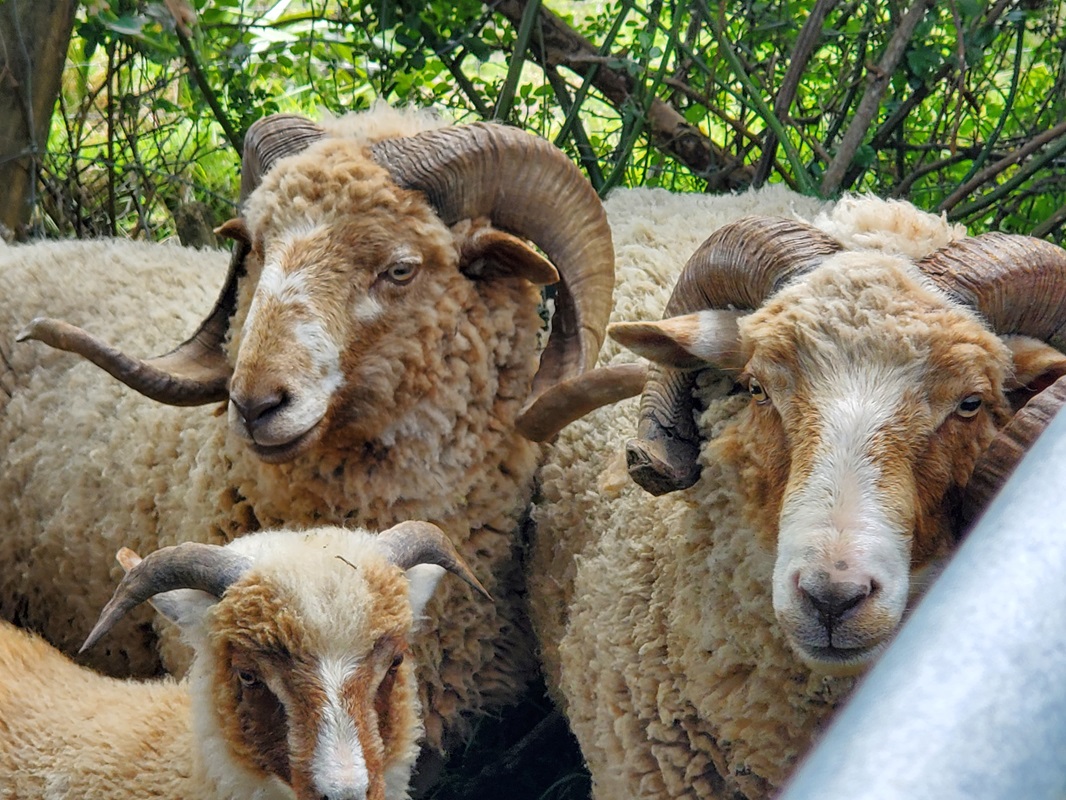
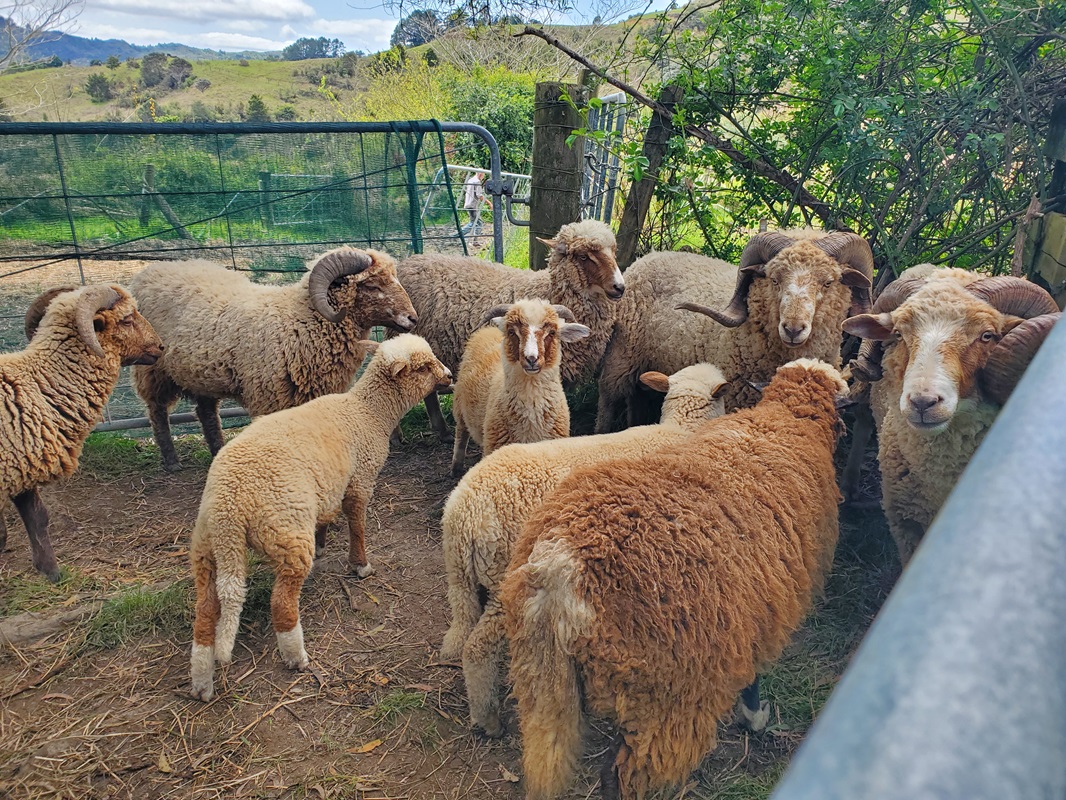
We’ve had arapawa sheep here since just after we moved here in 2009 and just love them as a breed. They are healthy, hardy, lamb easily and produce lovely coloured fleeces.
Arapawa sheep are a New Zealand rare breed of sheep that lived on Arapaoa (formerly Arapawa) Island in the Marlborough Sounds for at least 150 years. They were probably taken there by whalers in the early 19th century. The animals which survived adapted themselves to their harsh island home by becoming hardy and resilient. They have a fine fleece in an array of beautiful natural colours and hues from pale cream through chocolate brown to almost black.
They are resistant to fly strike and will thrive even on rough pasture. They need shade and do need shearing once a year. The fleeces are beautiful and better craftspeople than I, could I’m sure, spin them for wool. I’ve used them on a peg loom to create rustic but quite lovely seat pads for chairs.
We chose Arapawas because they are hardy, healthy, fly strike resistant and great for organic systems to use for cross grazing with cattle.
Sorry, all sold
We have recently sold the last of our Arapawa sheep but have kept the info here as they have been a huge part of our lives and are a fantastic breed.

Dexter Cattle
We have had Dexter Cattle since our time back in the eco-village and brought some with us to this land. We then added to the herd and have been farming them here ever since.
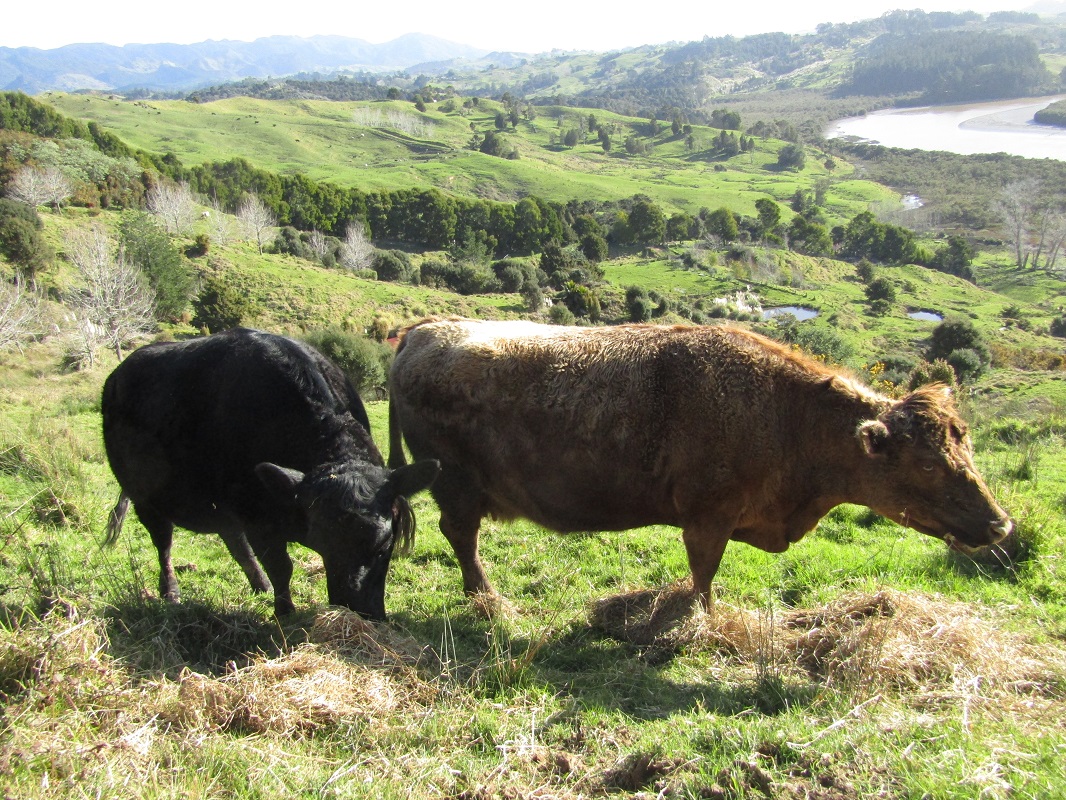
We chose Dexters to be our main breed because they are smaller than most breeds of cattle so are lighter on the land which is particularly helpful on northland clay soils and because they are an ancient Celtic breed which has not been developed commercially for industrial farming and who were used for both milk and meat production. They are hardy, healthy and great for organic systems. They calve easily and are great mothers. Ours are friendly but respectful so easy to manage and move around the farm. Dexters come in 3 colours, black, red and dun, and we have all colours in our herd. They can be horned or polled. We love the look of the horned Dexters and have had no concerns about managing them but have tended to select towards mostly naturally polled animals because we don’t want any that we sell to be put through having their horns removed by purchasers.
John hand milks every day. The milk is used to make yoghurt and a range of home made cheeses and the cream for butter or ice cream. Any surplus milk is clabbered and fed to our chickens. The home killed meat is delicious.
For sale
Nothing available at present
Wiltshire Sheep
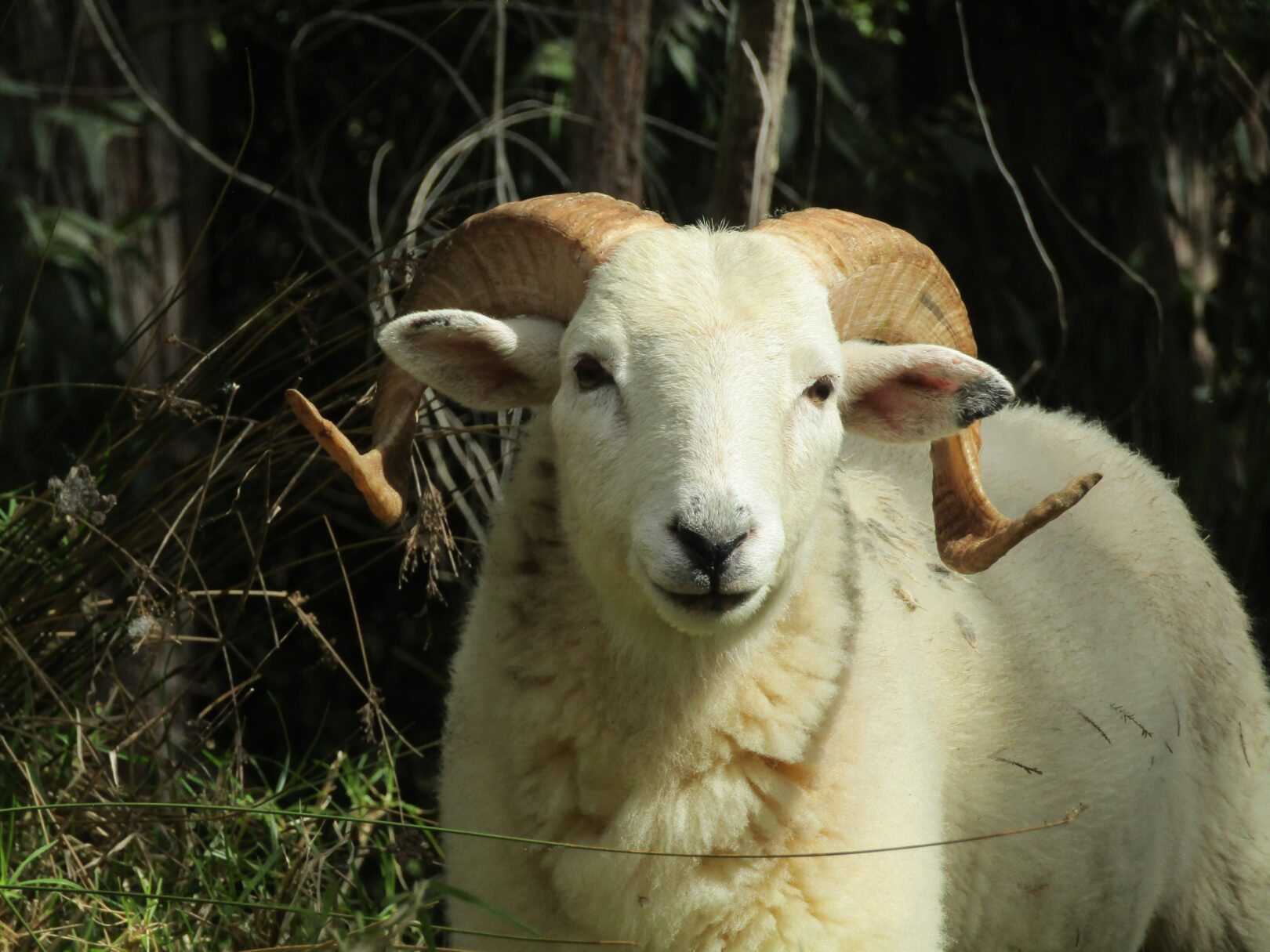
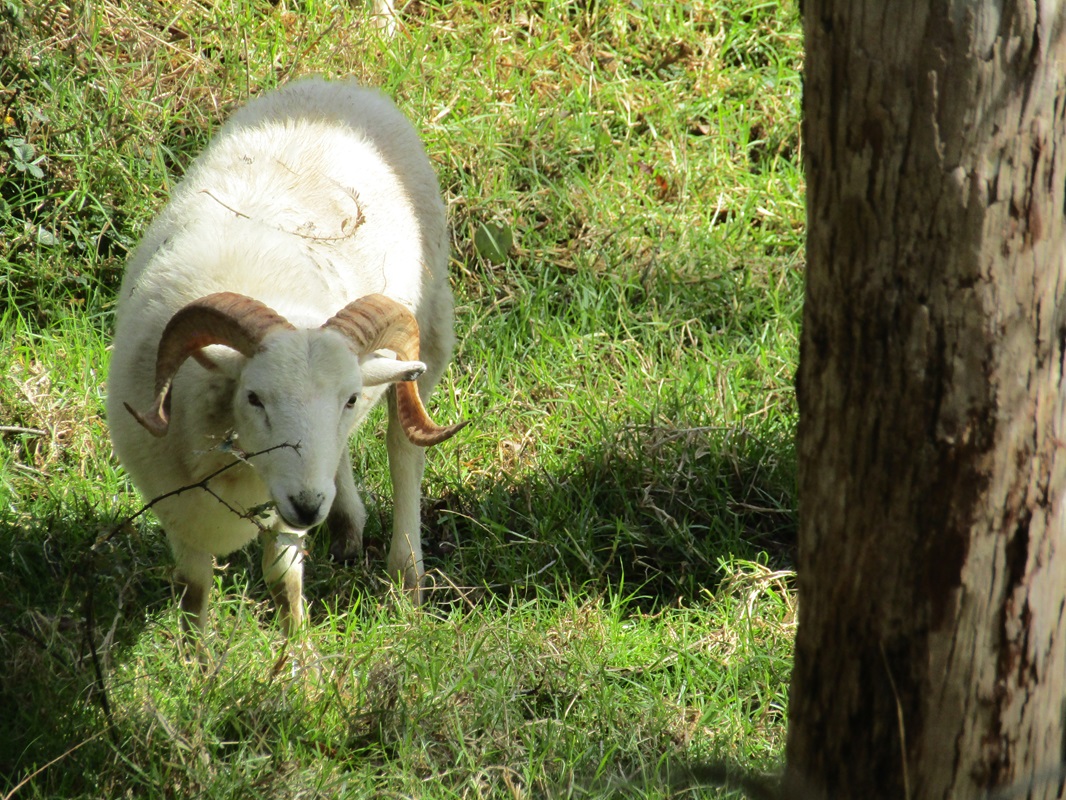
Horned Wiltshire sheep are an ancient and hardy breed which in medieval times were common in the rough hill country of middle England. Both sexes have horns- the ram’s horns being particularly magnificent. They are self-shedding with only a very short fleece which is shed early in spring, and so they are reared solely for meat.
We were lucky enough to be given some Wiltshire sheep by a friend who is one of New Zealand’s leading Wiltshire breeders and have been very pleased with them. They are intelligent and easy to manage and move around, and ours are fully shedding.
For sale
We have one young Wiltshire Ram for sale for $200
Please email [email protected] if you are interested in this young ram. We are not keen to send our animals over long distances so prefer to only sell in the Northland region.